

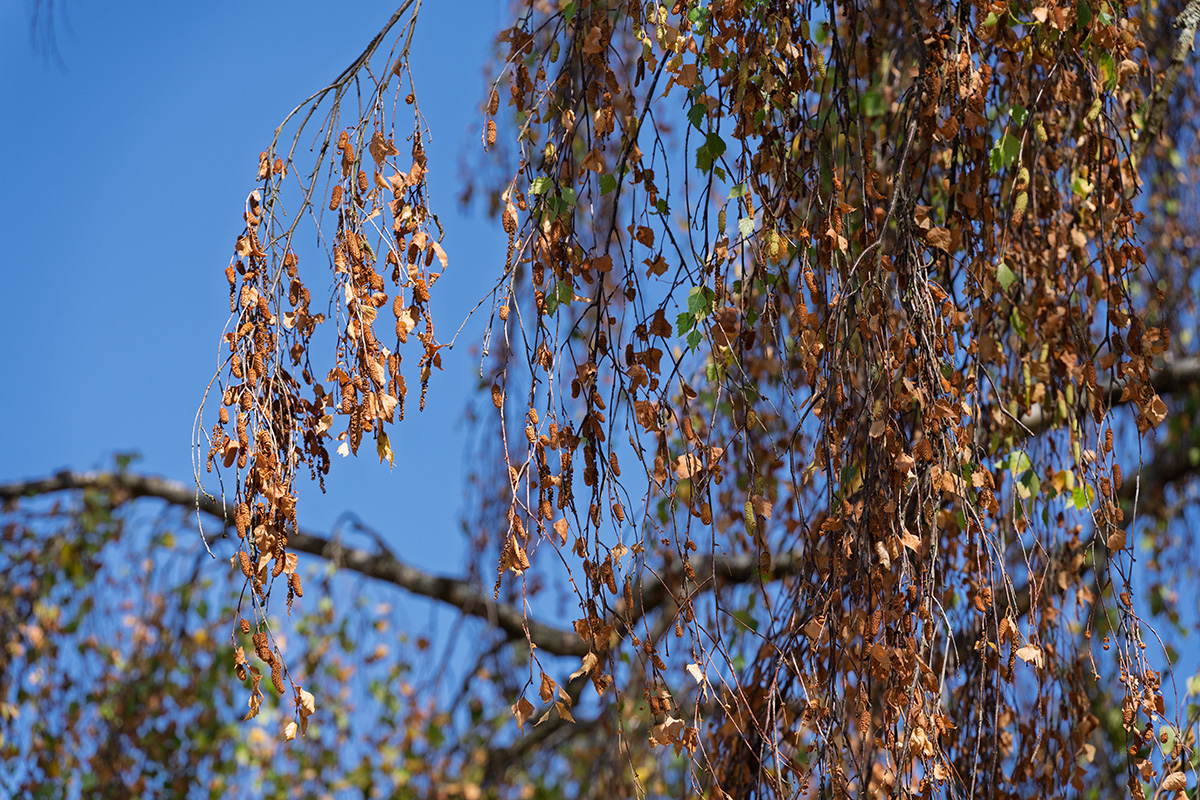
Experts at the WSL (Swiss Federal Institute for Forest, Snow and Landscape Research) have taken stock of an extremely dry and hot summer 2026, one of the most pronounced since records began in Switzerland. For forests, the combination of soils already dried out since winter and repeated heatwaves has proven critical. From mid-June onward, early browning and the shedding of still-green leaves affected species such as beech, an acute water-stress response that, in this species, halts photosynthesis, since the following year’s leaves are already formed within the buds.
In light of these findings, the WSL recommends diversifying tree species, favouring those already better adapted (Norway maple, whitebeams, wild cherry, small-leaved lime, certain oaks, and silver fir) while occasionally considering non-native species tested through experimental planting projects monitored over 30 to 50 years, such as Hungarian oak, Oriental beech, Atlas cedar, and Douglas fir, provided they show frost resistance and no invasive tendencies. In the long term, a decrease in the number of stems per hectare and more sparsely stocked stands are expected.
Other management challenges include the increased risk of branch failure, known as « summer branch drop », which cannot be visually predicted and calls for caution beneath large trees with well-developed crowns, as well as the collapse of soil fauna populations. Earthworm and enchytraeid densities fell by a factor of five to eight in the long-term research trial at Pfynwald, with consequences for soil fertility and forest ecosystem functioning.