
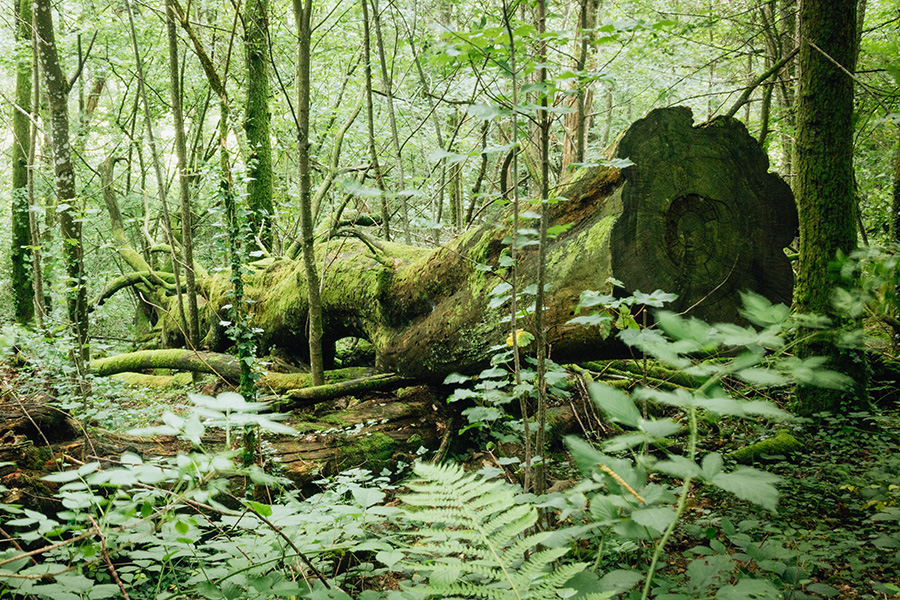
Longtime considered mere waste, dead wood is now recognised as an essential element of forest ecosystems. It supports biodiversity, improves soil fertility, contributes to climate regulation and protects against erosion. It also provides a vital habitat for many species, including insects, birds and fungi.
However, conserving dead wood and habitat trees in managed forests raises issues, particularly economic ones, related to the loss of income due to the non-exploitation of wood. The loss of income associated with conservation varies depending on operating conditions, productivity and tree species. In areas that are difficult to access, high operating costs sometimes make conservation economically neutral or even advantageous. On the other hand, in highly productive areas, the financial loss can be significant. Maintaining habitat trees also leads to a loss of income related to the space occupied, but these costs decrease with the complexity of harvesting. The results of the article suggest that hybrid management, combining forest production and targeted conservation, is the best solution for preserving biodiversity while maintaining profitability.